Many operators outside London are either owned by big groups, which have either the money to buy new buses, or a pool of their own buses to cascade around, or smaller operators. For the latter, a lot of them have actually invested new buses, but usually smaller types like the Solos or, at best, large single deckers.
The market for used double deckers in Britain nowadays rests on school bus operations, but most of the ex-London vehicles on the market are those which come off lease, usually between 6-10 years old. At this ages, the buses can't be cheap, and many of the London deckers are built to the shorter length, meaning a lower capacity. These features defy the business model for operators which run school services, which involves the use of aged, and hence cheap to buy double deckers with good capacity to reduce operational cost,
You can tell the market value of these buses aren't that great, by looking at the likes of Metroline and Go-Ahead London. They still keeps hold of the earliest built Tridents/B7TLs which they actually own for this very reason.
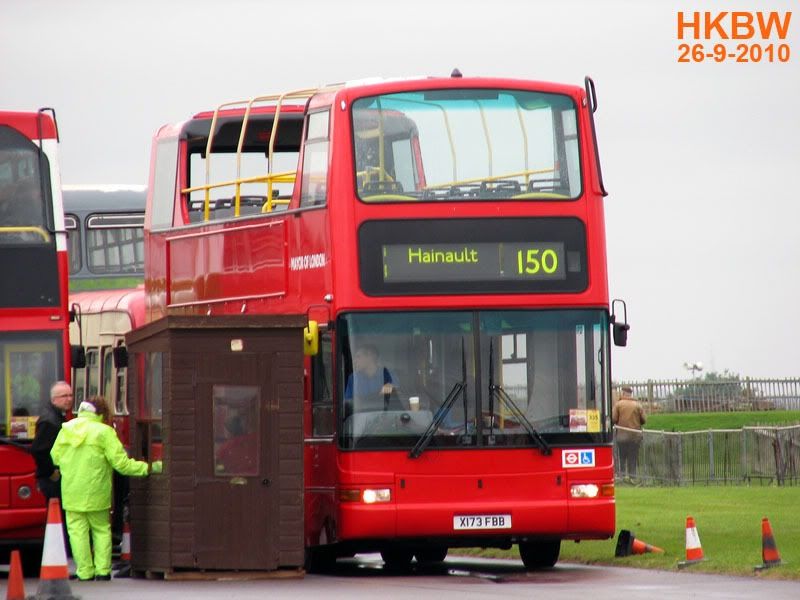
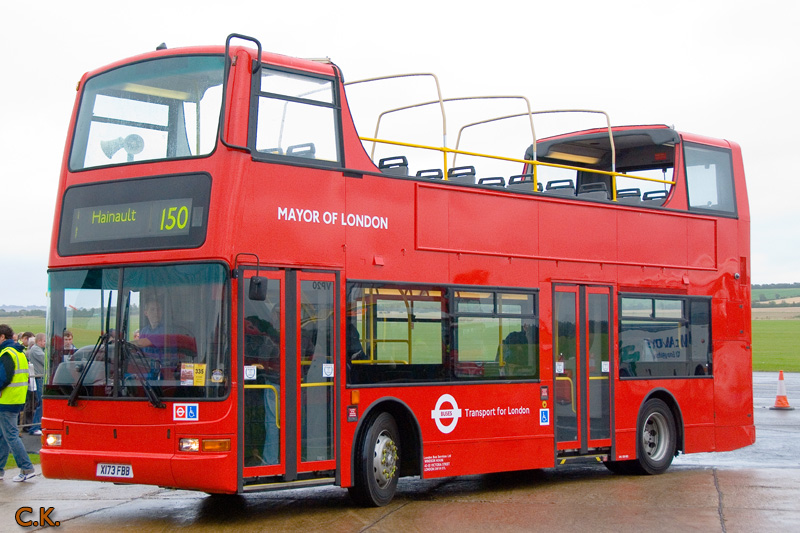
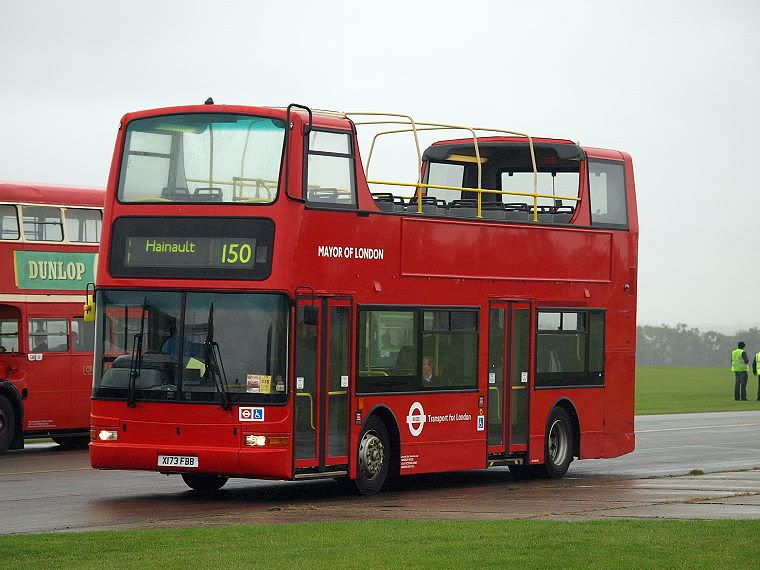
VP20 (X173FBB) is a different example. It was previously a vehicle of East Thames Buses, owned by Transport for London until last year. It was a few years ago when it was transferred under TfL ownership, and converted to open-top for use as a promotional vehicle. It's more an internal transfer, instead of a sale.